

How to Plan the Right Lighting Layout for a Brighter, More Functional Kitchen
Lighting plans for kitchen remodeling should map out where lights go, what type you need, and how bright each area should be. A good plan layers overhead lights, task lighting, and accent fixtures so your kitchen is easy to cook in and comfortable to gather in. When done right, lighting supports both safety and style from the start of your remodel.
What You Need Before Starting Your Lighting Plan
Before you choose fixtures, look at how you use your kitchen every day. Think about cooking, cleaning, homework time, and hosting friends. Each activity needs a different kind of light.
Gather these details first:
- Your kitchen layout and cabinet plan
- Ceiling height
- Countertop and island size
- Natural light from windows or doors
- Your electrical panel capacity
If you are working with a general contractor for kitchen remodeling, ask for the cabinet and appliance layout early. Lighting should match the final design, not the old one. This step also connects to planning within your service category keyword, especially if structural or electrical updates are involved.
Step-by-Step Process for Creating Lighting Plans for Kitchen Remodeling
- Start with ambient lighting. This is your main light source. Recessed ceiling lights are common. Space them evenly across the room.
- Add task lighting. Place lights where you prep food and cook. Under-cabinet LED strips work well over counters.
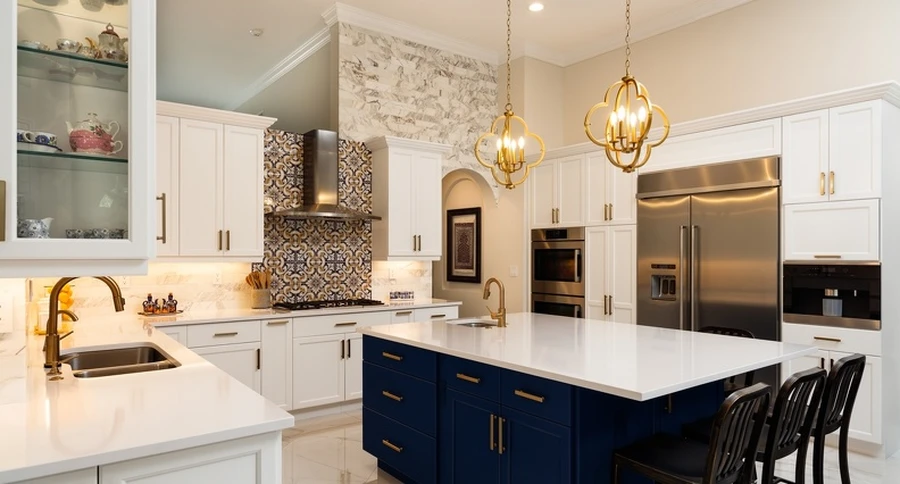
- Light the island. Use pendant lights centered over the island. Make sure they hang at the right height, usually 30 to 36 inches above the surface.
- Include accent lighting. Toe-kick lights or cabinet interior lights add depth and style.
- Pick the right color temperature. Most kitchens feel best between 2700K and 3000K for a warm, clean look.
- Plan switches and dimmers. Separate switches for each layer give you control throughout the day.
This layered method keeps your kitchen bright without harsh glare. It also helps avoid dark corners.
Common Mistakes to Avoid
One mistake is using only one ceiling light in the center of the room. That creates shadows on counters. Another issue is placing recessed lights too far from cabinets. You end up standing in your own shadow while chopping vegetables.
Other problems include:
- Skipping under-cabinet lighting
- Choosing fixtures that are too small for the space
- Ignoring dimmers
- Mixing too many light colors
During kitchen remodeling, it is easier and more cost-effective to install proper wiring before drywall goes up. Fixing lighting after the project is finished often means cutting into walls or ceilings.
When to Call a Professional
Simple fixture swaps are often safe for homeowners. But full lighting plans for kitchen remodeling usually involve new wiring, added circuits, and switch relocation. That work should follow local building codes.
You may need a professional if:
- You are moving appliances
- You are raising or lowering the ceiling
- Your panel needs an upgrade
- You want smart lighting controls
An experienced remodeling team can coordinate lighting with cabinets, countertops, and flooring. This avoids gaps in communication and last-minute changes. Proper planning also keeps your timeline on track.
Build a Kitchen That Works Day and Night
Good lighting changes how your kitchen feels and functions. In Staten Island, NY, many homes have a mix of natural and artificial light. We plan lighting layouts that match your space and daily routine so you get the right brightness in every corner. At Garcia Remodeling LLC, our team handles kitchen remodeling projects from design to final install. Call us at (718) 541-0911 to talk about your ideas and set up a consultation. Let us help you create a kitchen that looks great and works even better.